UGC Campaign
Three AI-generated creators for one colour-correcting cream.
- Year
- 2026
- Role
- Concept, art direction, scripts, generation pipeline, post
- Tools
- Seedance 2.5, Weavy, Nano Banana, Chatterbox, Claude Code
- UGC
- Performance creative
- AI humans
- Skincare

Three creator personas and a set of influencer-style videos featuring Dr.Jart+ Cicapair, built to read like real creator content.
Everything here is generated, the creators included. I wrote Chloe, Hana and Mina as characters first, then generated them, scripted their videos and directed them through a setup I built and tested for this project. I kept going until the cream behaved like the real thing: green when it goes on, blended in by her fingers, turning to skin tone.
The raw UGC
Three videos, each written like a real creator’s routine and filmed as if on her own phone. This is the raw UGC, before anyone turns it into an ad: no captions, hooks or calls to action.
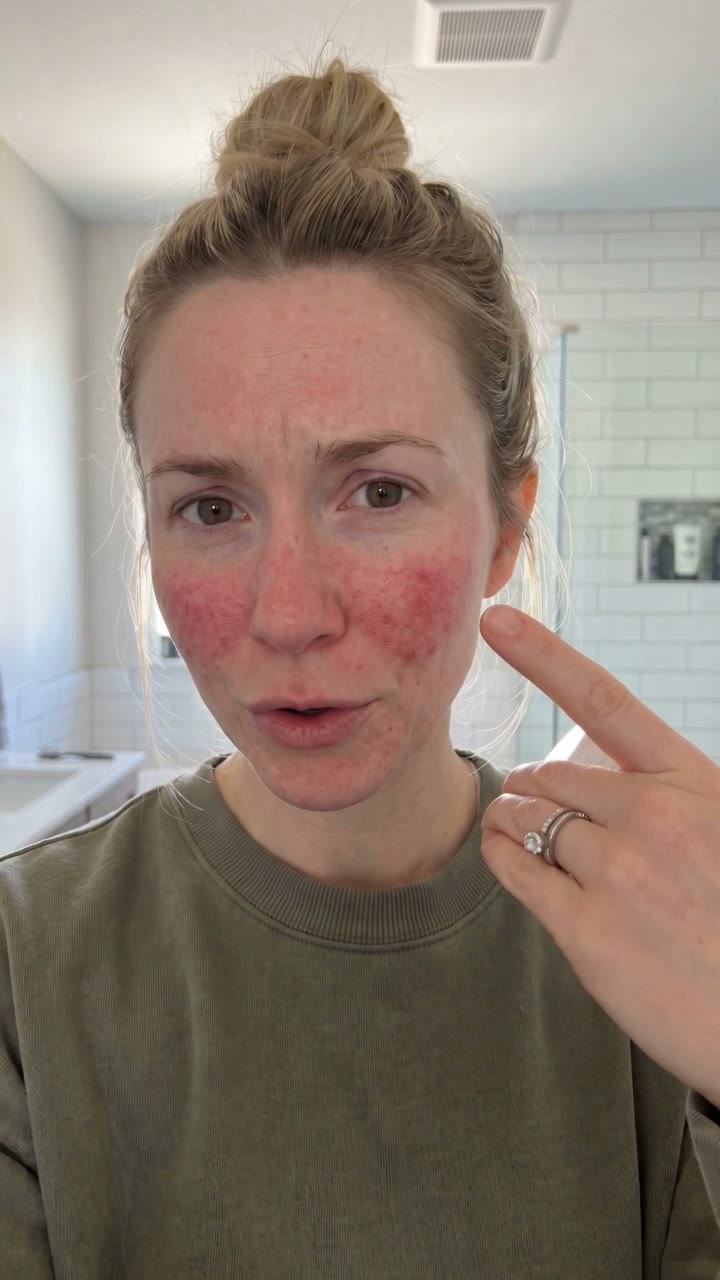
A split-face test: the cream on one cheek only, so you can see the difference.
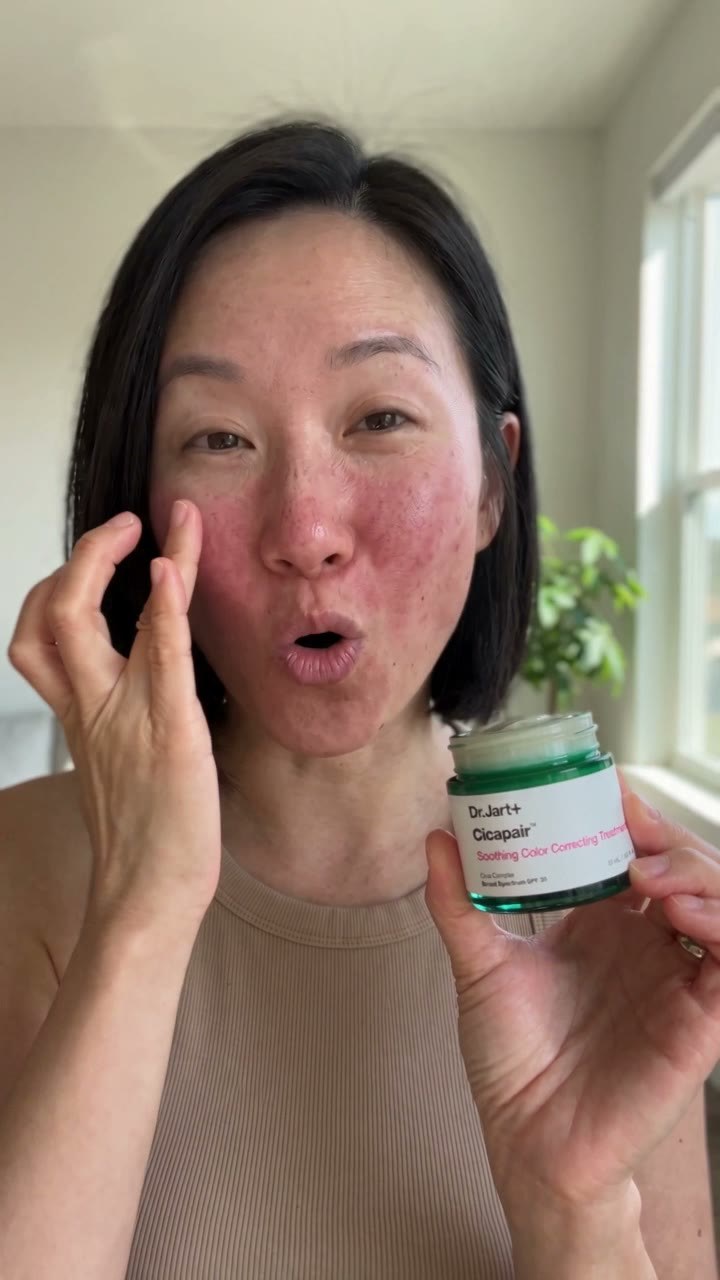
All-over redness, dabbed on and blended in one continuous take.
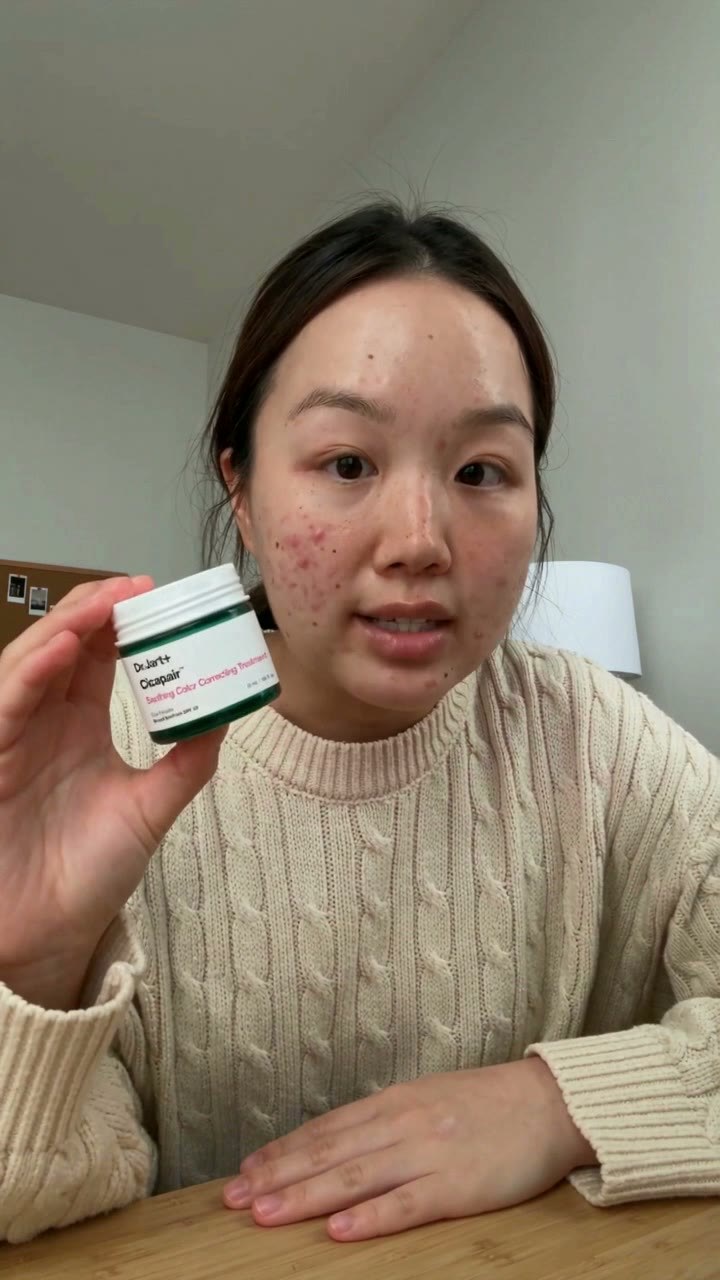
Red breakouts and a class to get to. Two generations, joined so it plays as one take.
How it was built
Five steps, from idea to finished video. Each one was tested until it held up.
- Problem first. I started from the product, not the people. Cicapair is a green colour-correcting cream that tones down the look of redness, so I picked three kinds of redness it can cover (rosacea, an all-over flush, red breakouts) and reverse-engineered one creator for each.
- Creators to fit. Each creator was built around her problem: her age, her skin, her room, what she wears and how she’d talk about it.
- Scripts like real routines. Every video is written as something she’d film on a normal morning, with the product doing what it really does.
- Generation, priced and logged. The videos come from Seedance 2.5, fed with the creator, a photo of the real jar and one of the cream’s texture. A 30-second take costs about $14, so runs were priced before they went and logged after.
- Checked before anyone sees it. Each take is checked for the things that give AI UGC away: a label that doesn’t match the real jar, cream that fades on its own instead of being blended in, skin that turns plastic, a brand logo the model slipped onto her clothes, a brand name the voice can’t say. Anything that fails is fixed or re-run.
More than 20 video generations went into getting there.
- Seedance 2.5: the videos
- Nano Banana Pro, in Weavy: creator portraits, character sheets and campaign shots
- Chatterbox: re-voicing a brand name the model said wrong, fitted to her lips
- Claude Code: the pipeline that runs and checks every generation, and the finishing in post
What the testing built
The three videos are only part of the result. Every failed test became a rule or a tool: a running rulebook, reusable prompt templates, scripted checks, and a character sheet for every creator. Now I can give the same creators new scripts, make more versions of what works, or create new creators for new problems, without starting over each time.
The creators
Each creator was built backwards from the problem she has. Chloe has rosacea, so her redness sits on her cheeks and nose. Hana’s is an all-over flush. Mina is a student with red breakouts on her cheeks. Here they are from every side. Each now has a sheet like this, so a new script starts from the same face.


Campaign
The same creators and the same jar, shot like a brand campaign instead of a phone video.
One line, three formats
The videos are what a creator would post. This is what a brand would run around them: one line, “From level red to level calm.”, carried through two key visuals for the web, each recut for stories and the feed, a product still life, the three creators together, a behind-the-scenes story and a concept ad. The type is set in post, never generated, so every word is sharp, and the only claim is the brand’s own, footnote included.